
What we look at · Hormones
Your hormones are “normal for your age.” So why don’t you feel like yourself?
Within normal limitsNo further actionYou’ve been told this is just part of getting older. Your cycle changed, your sleep got worse, your mood swings showed up out of nowhere, the weight settled in new places, and the drive that used to be there quietly left. The answer you got was a shrug and the word “normal.” Feeling like a stranger in your own body is not something you have to accept as “your age.”
Reading the range
Why “normal for your age” doesn’t always mean “fine.”
Hormones shift through your 30s, 40s, and 50s, including the years around perimenopause and menopause. Standard testing often checks one or two markers against a broad range that already expects you to feel worse as you get older. Being told a number is “age-appropriate” is not the same as understanding why you feel the way you do. The shifts are real, they are connected, and they are worth looking at more closely.
The fuller panel
The fuller hormone picture
Hormones work as a connected system, not one number in isolation. When it is appropriate for your situation, a more complete hormone review can look at:
- Estradiol and progesterone, and how they shift and balance through your cycle and the years around menopause
- Testosterone and DHEA-S, which influence energy, drive, mood, and muscle
- SHBG, which affects how much of your hormones your body can actually use
- Morning cortisol, the stress hormone that can quietly drive many of the same symptoms
Seeing these together, alongside your symptoms and your history, is what turns “normal for your age” into a picture you can act on.
Patient intake · what people describe
Does this sound like you?
- Mood swings or irritability that do not feel like you
- Periods that changed, got unpredictable, or stopped
- Sleep that breaks in the early morning hours
- A drop in desire or drive
- Weight that settled in new places, and energy that did not come back
None of these prove a hormone problem on their own. Together, they’re a reason to look more carefully — not to be told it’s simply your age.
The procedure
Three steps. No maze.
The Clarity Visit
A full, unhurried hour with Karla, CRNP — a nurse practitioner, not a call center. Bring the labs you already have; she reads them for the patterns “normal” ranges skip.
A written plan in 48 hrs
Your history, symptoms, and labs read together — then a plain-language written plan within 48 hours, yours to keep, complete on its own whether or not you continue.
Sequenced for a real week
Food, sleep, movement, and targeted support — ordered so you’re never doing everything at once, with coaching between visits.
Your $397 Clarity Visit
Everything you get — and what you keep either way.
A first visit at a functional-medicine clinic typically runs $350–$1,500 — and not a dollar of it counts toward anything. Yours is $397, and every dollar credits forward.
- ✓A full, unhurried NP-led hour — your labs read for the pattern standard ranges miss, plus a written plan within 48 hours you can actually follow.
- ✓Your $397 credited 100% toward Pattern Reveal (the plan it credits toward) if you choose to go deeper within 7 days.
- ✓15% off any supplements Karla includes in your plan, through our practitioner dispensary.
Karla’s practice earns a portion of what you spend at the dispensary. There is no obligation to order through us — you can buy your supplements anywhere you like, and your care is exactly the same either way.
Plus 2 keep-forever bonuses — a $144 value, free
The 30-Day Reset
Simple, day-by-day steps to start calming the crashes, cravings, and 3 a.m. wake-ups — so you can feel like yourself again.
Yours to keep forever“Questions Your Provider Should Have Asked”
The checklist that keeps you from ever sitting through another 7-minute “you’re normal” visit feeling small.
Yours to keep foreverthe bonuses are yours to keep — even if it turns out we’re not a fit.
Your guide
“‘Normal for your age’ closes too many charts. The whole picture is usually right there — someone has to sit with it.”
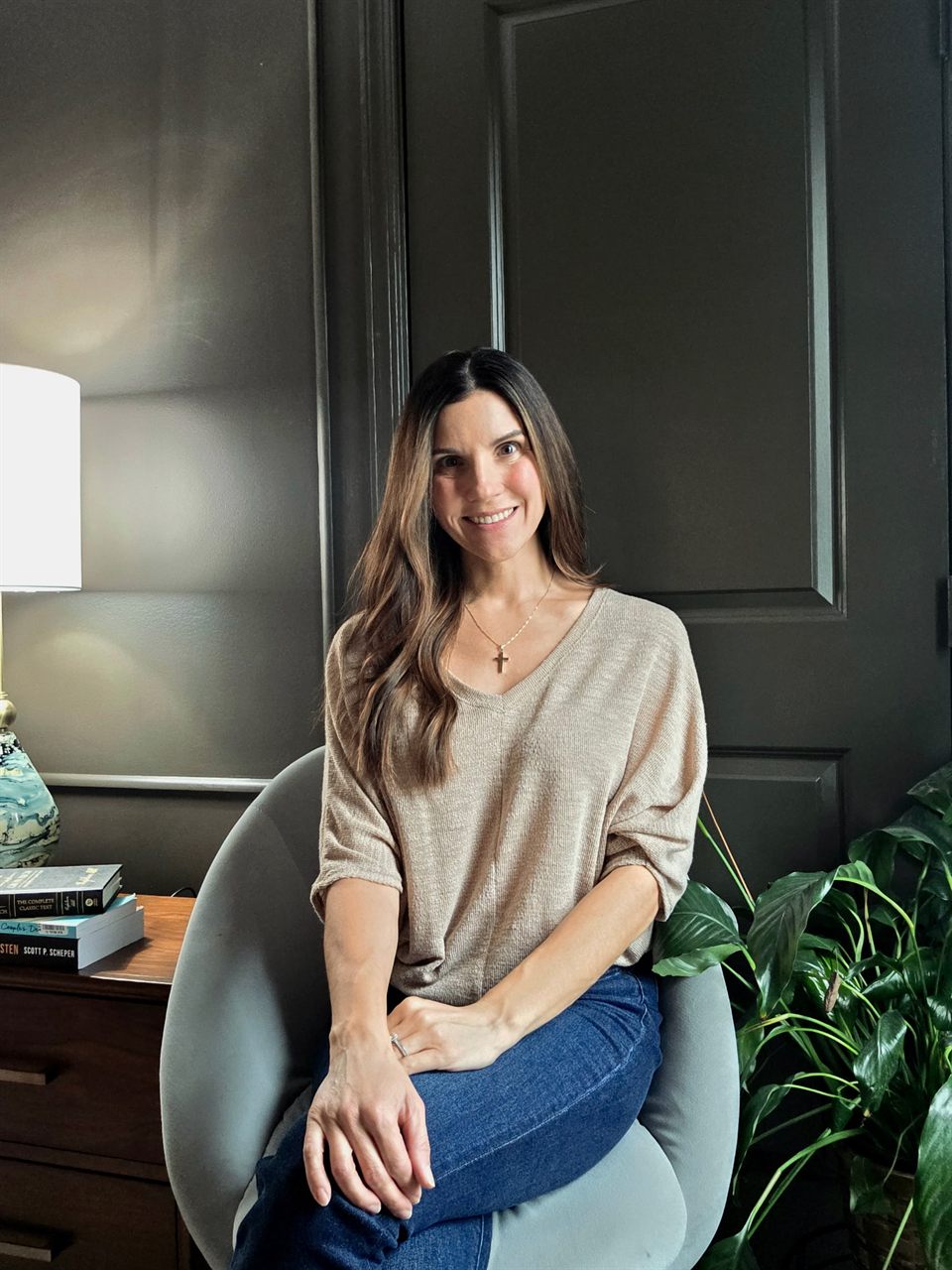
You’ve sat through the rushed visits and the “everything looks normal” — we understand how much that wears a person down, and it is not how we work. Karla M. Graf is a board-certified nurse practitioner (AANP), licensed in Pennsylvania as a CRNP, and Functional Medicine Academy Certified Practitioner (FMACP), with full prescriptive authority, who gives you a full, unhurried hour and reads the whole hormone picture. She sees adults across Pennsylvania by telehealth, from our base in Beaver — and she’ll tell you honestly whether this is a fit.
Cross-reference · related
Addenda · hormones & the Clarity Visit
Can I have hormone symptoms if my labs are normal?
Yes. Standard testing often checks a couple of markers against a broad range that assumes you will feel worse with age. A fuller review looks at more of the hormone picture alongside your symptoms.
Is this just about menopause?
No. Hormone shifts can start years before menopause and can affect energy, mood, sleep, and weight at many life stages. The Clarity Visit is a place to talk through what you are experiencing, whatever your age.
Do you prescribe hormone therapy or replace my doctor?
The content here is educational and is not medical advice or a diagnosis. Whether any specific therapy is appropriate is a clinical decision made with Karla, for patients in Pennsylvania, based on your full picture. We do not promise specific outcomes, and we will tell you if you need a different level of care.
Is this available outside Pennsylvania?
Clinical services are limited to adults physically located in Pennsylvania at the time of care.
One next step
Bring the hormone labs that “look fine.”
Another year of “it’s just your age” is another year of feeling like a stranger in your own body. The sooner someone reads the fuller picture, the sooner it can change.
Book My Clarity Visit →Only 10 founding Clarity Visits this round — real cap. When they’re gone, they’re gone. Karla reads every set of labs herself. Pennsylvania residents only.
$397 · credited 100% toward Pattern Reveal · for adults physically located in Pennsylvania